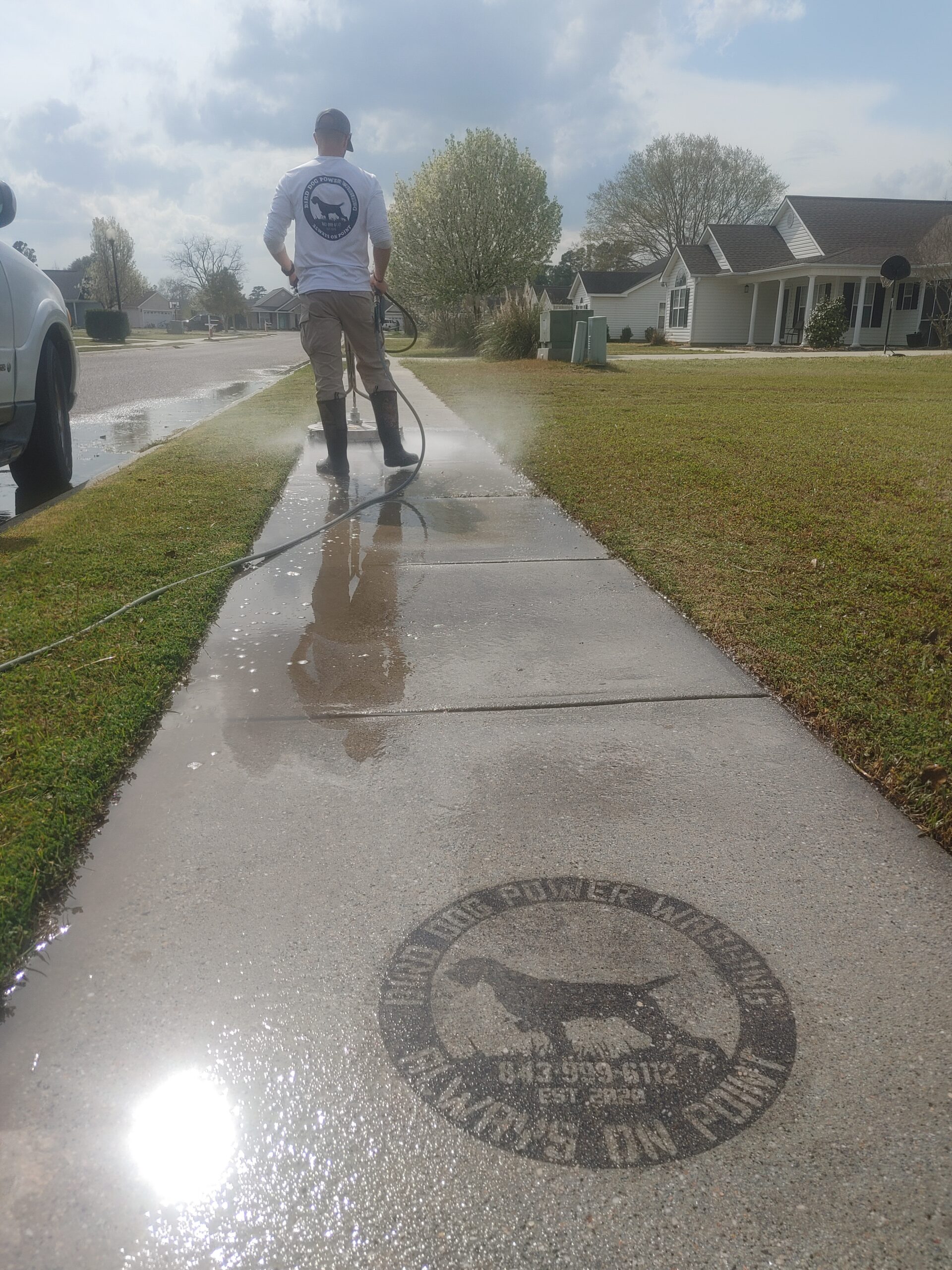
The Top 10 Pressure Washing Questions Homeowners Ask—Answered by Bird Dog Power Washing
If you have searched for pressure washing, power washing, soft washing or exterior cleaning, you have probably encountered conflicting advice. Some sources recommend high pressure for nearly everything. Others use “pressure washing” and “soft washing” as though they mean the same thing. The safest and most effective answer depends on the surface, the type of contamination and the condition of the property.
Bird Dog Power Washing provides professional residential and commercial exterior cleaning throughout the Myrtle Beach area, Horry County and Georgetown County. This guide answers 10 of the questions homeowners and property managers most frequently search before scheduling pressure washing.
Quick Answers
- How much does pressure washing cost? The price depends on the surface, size, access, condition and cleaning method. National residential projects frequently fall between roughly $173 and $311, but a local quote is more accurate.
- What is the difference between pressure washing, power washing and soft washing? Pressure washing uses pressurized water, power washing generally adds heated water, and soft washing uses low pressure with surface-appropriate cleaners.
- How often should a house be washed? Most homes benefit from cleaning about once per year, with more frequent service sometimes needed in shaded, humid or coastal locations.
- Can pressure washing damage a house? Yes, if excessive pressure, the wrong nozzle or poor technique is used. Professional cleaners match the method to the material.
- What surfaces can be pressure washed? Durable concrete and some masonry tolerate controlled pressure. Siding, roofs, painted surfaces, wood and other delicate materials usually require lower pressure or soft washing.
- Can you pressure wash a roof? Asphalt shingles should not be pressure washed. The Asphalt Roofing Manufacturers Association warns that high-pressure washing can damage asphalt roofing.
- Does pressure washing remove mold, mildew and algae? A professional cleaning process can remove exterior organic growth, but lasting results require the correct treatment—not water pressure alone.
- How long does professional pressure washing take? Many residential projects take from under an hour to several hours. Large homes, heavy buildup and commercial properties take longer.
- When is the best time to pressure wash? Exterior cleaning can be performed during much of the year in coastal South Carolina. Visible growth, staining or slippery buildup matters more than a particular month.
- Is professional pressure washing worth it? It is often worthwhile when the project involves heights, delicate surfaces, extensive cleaning, commercial property or a meaningful risk of damage or injury.
1. How Much Does Pressure Washing Cost?
Short answer: Pressure washing prices depend on the type and size of the surface, the severity of the buildup, access, required cleaning solutions and the amount of setup or protection involved. There is no single reliable price for every house or property.
National pricing guides commonly place an average residential pressure-washing project between approximately $173 and $311, with house-washing estimates often ranging from around $170 to $360. Those figures are broad national estimates rather than guaranteed Myrtle Beach prices. Small projects may also carry a minimum service charge because travel, setup and equipment preparation are required regardless of square footage.
What affects the price of pressure washing?
- Total square footage or linear footage
- Number of stories and building height
- Surface material and condition
- Amount of algae, mildew, dirt, oxidation or staining
- Accessibility around landscaping, fences, docks or neighboring structures
- Whether specialty treatments are needed for rust, red clay, oil, graffiti or other stains
- Whether the project includes house washing, concrete, roofing, gutters or multiple surfaces
- Water availability, containment needs and commercial scheduling requirements
A basic driveway cleaning is different from restoring heavily stained concrete. Likewise, washing vinyl siding differs from cleaning stucco, brick, painted wood, a metal roof or an apartment complex. A professional estimate should identify the surfaces included and explain any limitations involving oxidation, permanent staining, damaged materials or pre-existing conditions.
For an accurate pressure-washing quote in Myrtle Beach or the surrounding Grand Strand, Bird Dog Power Washing evaluates the actual property rather than relying on a one-price-fits-all estimate.
2. What Is the Difference Between Pressure Washing, Power Washing and Soft Washing?
Short answer: Pressure washing uses pressurized water. Power washing generally refers to pressure washing with heated water. Soft washing uses low pressure together with cleaning solutions selected for the surface and the type of contamination.
The terms are often used interchangeably in everyday conversation, but the cleaning methods are not identical.
Pressure washing
Pressure washing uses water delivered at elevated pressure to remove dirt and buildup. It is most appropriate for durable surfaces when the operator controls pressure, distance, flow and nozzle selection. Concrete, certain masonry surfaces and some commercial flatwork are common applications.
Power washing
Power washing usually adds heated water. Heat can help break down oil, grease, gum and stubborn commercial contamination. Hot-water equipment can be valuable for restaurants, dumpster areas, commercial sidewalks and other grease-prone surfaces. Heat does not make every surface safe to clean at high pressure.
Soft washing
Soft washing relies on low-pressure application and rinsing, combined with cleaners that treat organic growth and other contaminants. It is generally the better method for siding, painted surfaces and roofing systems that could be damaged by excessive force.
The best professional exterior-cleaning companies do not use one method everywhere. They select a process based on the material. At Bird Dog Power Washing, house washing and roof cleaning are approached differently from concrete cleaning because each surface requires its own balance of chemistry, water flow, pressure and dwell time.
3. How Often Should You Pressure Wash Your House?
Short answer: Most homes benefit from professional exterior cleaning approximately once per year. Homes exposed to coastal humidity, shade, irrigation overspray, trees, pollen or salt may require cleaning sooner.
There is no universal calendar that applies to every property. A sun-exposed home with good drainage may stay clean longer than a shaded house near trees or water. Along the Grand Strand, warm weather and humidity can encourage algae and mildew growth. Pollen, windblown debris, insects and coastal exposure also affect appearance.
Signs that your house may be ready for cleaning
- Green growth on siding or trim
- Dark streaks or patches
- Mildew around shaded walls, soffits or porches
- Pollen and dirt that do not rinse away with ordinary rain
- Spiderwebs and insect debris around entrances and eaves
- Slippery algae on walkways, steps or patios
- HOA notices concerning exterior appearance
- A planned sale, appraisal, event or property inspection
Annual house washing is a useful maintenance baseline, but the correct schedule depends on what you see. Waiting until growth becomes severe can make the property harder to clean and may allow slippery conditions to develop on concrete and steps.
Commercial properties, restaurants, storefronts, apartment communities and HOA common areas may need quarterly, semiannual or customized maintenance because traffic, visibility and operating conditions differ from residential properties.
4. Can Pressure Washing Damage a House?
Short answer: Yes. Excessive pressure or poor technique can damage siding, paint, wood, roofing, mortar, screens, seals and exterior fixtures. The safer solution is not to avoid exterior cleaning—it is to use the correct method for each surface.
Pressure is only one part of professional cleaning. Water flow, nozzle angle, working distance, temperature, detergent strength and dwell time all influence the outcome.
Improper pressure washing can:
- Force water behind vinyl siding
- Drive water around windows and doors
- Etch concrete or leave visible wand marks
- Remove paint or loosen failing coatings
- Scar wood and raise the grain
- Damage window screens or seals
- Strip protective granules from asphalt shingles
- Damage soft mortar or fragile masonry
- Push water into electrical fixtures and uncovered outlets
The Vinyl Siding Institute advises checking the siding manufacturer’s restrictions, avoiding openings and not aiming water upward where it may be forced behind panels. These are good examples of why professional technique matters.
Before beginning a house wash, Bird Dog Power Washing takes precautions around exterior electrical components, doorbells, locks, windows, doors and landscaping. Lower pressure is used on siding and other delicate building materials, while higher pressure is reserved for surfaces that can safely tolerate it.
It is also important to identify pre-existing conditions. Oxidized siding, loose paint, failed caulk, cracked concrete, deteriorated mortar and leaking windows are not caused by cleaning, but washing may reveal or affect already-compromised materials. A responsible contractor discusses those conditions instead of promising that every stain or defect will disappear.
5. What Surfaces Can Be Pressure Washed Safely?
Short answer: Sound concrete and selected masonry surfaces can often be cleaned with controlled pressure. Siding, roofing, wood, painted surfaces, pavers and specialty materials require a more cautious, surface-specific process.
Surfaces commonly cleaned with controlled pressure
- Concrete driveways
- Sidewalks and walkways
- Curbs
- Some patios and pool decks
- Certain brick and masonry surfaces in sound condition
- Commercial flatwork
- Parking areas and dumpster pads when appropriate controls are used
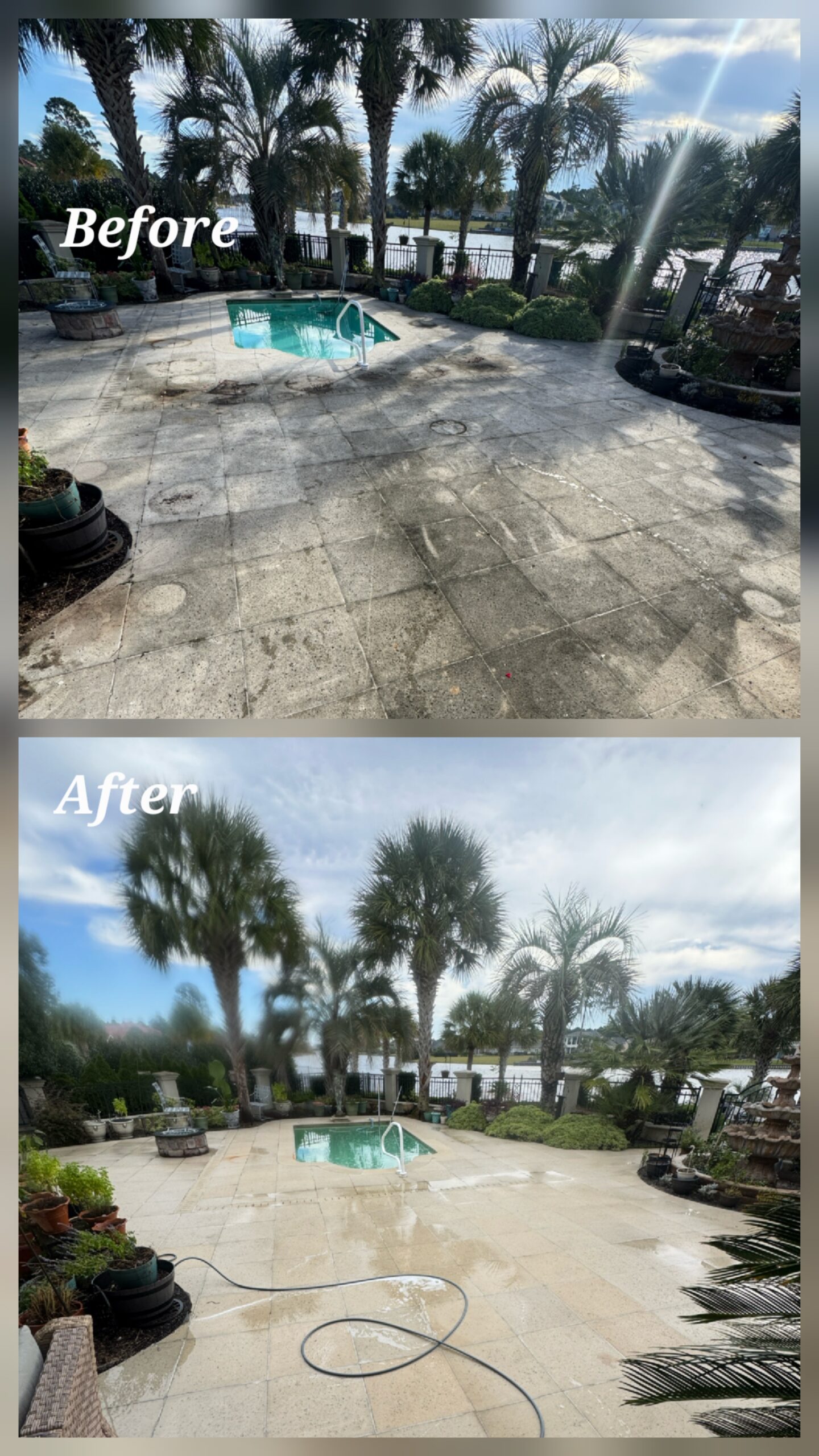
Professional concrete cleaning often involves more than spraying with a wand. A commercial surface cleaner helps produce more even coverage, while pre-treatment and post-treatment may address organic growth and help reduce striping or rapid regrowth.
Surfaces that usually require soft washing or reduced pressure
- Vinyl siding
- Stucco
- Painted siding and trim
- Screened porches
- Composite materials
- Fences, decks and docks
- Metal roofing
- Asphalt shingles
- Solar panels
- Older masonry or mortar
- Decorative monuments and specialty surfaces
Surfaces that should never receive indiscriminate high pressure
- Asphalt shingles
- Windows and window screens
- Electrical panels, outlets and fixtures
- Air-conditioning components
- Fragile stucco or failing mortar
- Loose paint or deteriorated wood
- Any material whose manufacturer prohibits pressure washing
The question is not simply, “Can this be pressure washed?” A better question is, “What cleaning method is safe for this specific material in its current condition?” Bird Dog Power Washing evaluates the surface first and then selects the appropriate process.
6. Can You Pressure Wash a Roof?
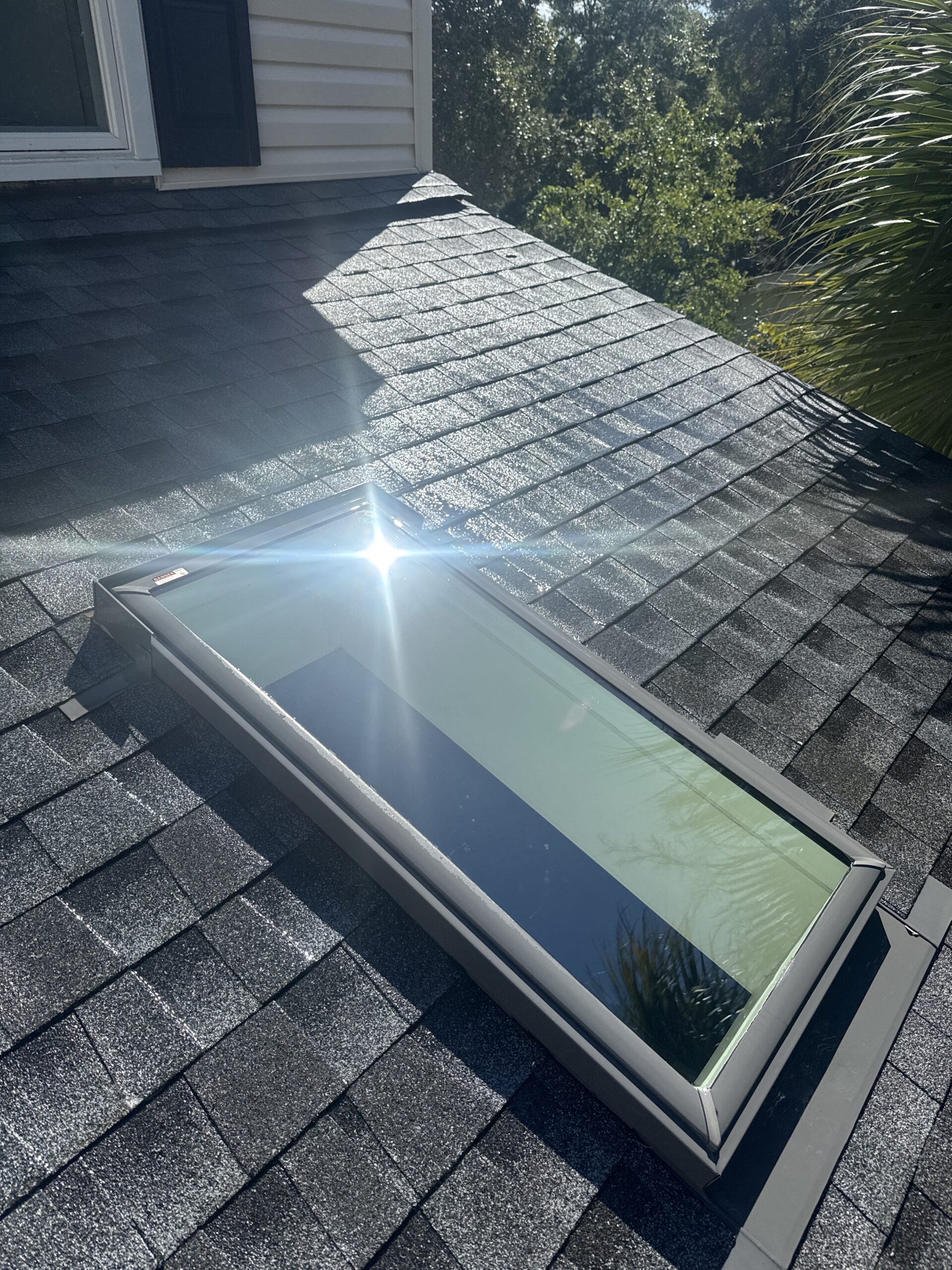
Short answer: Asphalt shingle roofs should not be cleaned with high pressure. The Asphalt Roofing Manufacturers Association states that high-pressure washing systems are likely to damage asphalt roofing and should not be used to remove algae or other stains.
Those dark roof streaks commonly seen in humid climates are often associated with algae growth. High pressure may make the roof appear cleaner immediately, but it can loosen protective granules, damage shingles and contribute to premature roof failure.
Professional roof washing uses a low-pressure treatment designed for the roofing material and contamination. The cleaning solution does the work; the process should not depend on blasting the shingles.
What homeowners should know before scheduling roof cleaning
- Asphalt shingles should be soft washed, not pressure washed.
- Metal roofs also require controlled methods because coatings, seams, fasteners and oxidation must be considered.
- Lichen and heavy biological growth may not disappear immediately. Dead growth can lighten and release gradually through weathering.
- Landscaping should be protected with appropriate wetting, rinsing and process controls.
- Existing roof damage, loose shingles, failing sealant or leaks should be identified before service.
- Anyone walking on a roof faces fall and surface-damage risks; roof access should be minimized and handled professionally.
Bird Dog Power Washing provides roof washing for asphalt shingle and metal roofs throughout the Myrtle Beach area. The cleaning method is selected to treat organic staining while avoiding the destructive force associated with high-pressure roof cleaning.
7. Does Pressure Washing Remove Mold, Mildew and Algae?
Short answer: Professional exterior cleaning can remove visible algae, mildew and other organic growth. However, pressure alone may only remove what is visible at the surface. Effective cleaning requires a treatment appropriate for the organism and material.
Green siding, black streaks and slippery concrete are often described collectively as “mold,” but exterior discoloration can involve algae, mildew, lichen, moss, pollen, dirt or a combination of contaminants. The correct process depends on what is present.
Using excessive pressure may temporarily strip away visible growth without treating its underlying presence in porous or textured surfaces. That can lead to faster return and unnecessary surface wear. Soft washing treats organic contamination at lower pressure, while concrete may be cleaned with a combination of treatment, controlled mechanical cleaning and thorough rinsing.
Exterior washing also does not correct the conditions that encouraged growth. Persistent moisture, leaking gutters, irrigation repeatedly striking the wall, dense shade and poor drainage can cause staining to return sooner.
One important distinction: exterior cleaning is not a substitute for indoor mold remediation. If suspected mold is growing inside walls, HVAC systems or occupied spaces, the moisture source and indoor contamination should be evaluated by an appropriately qualified professional.
8. How Long Does It Take to Pressure Wash a House or Driveway?
Short answer: Many residential projects take between approximately 30 minutes and three hours, although preparation, specialty treatments, roof work, large homes and combined services can extend the schedule.
The visible spraying is only part of a professional cleaning appointment. A quality service also includes setup, property protection, chemical application where appropriate, dwell time, detailed rinsing, inspection and equipment breakdown.
Factors that affect project duration
- Home or surface size
- One-story versus multistory construction
- Severity and type of buildup
- Number of services being completed
- Landscaping and access limitations
- Water pressure and supply
- Delicate areas requiring additional protection
- Specialty stain treatment
- Tenant, vehicle or pedestrian coordination
- Weather and site conditions
A standard driveway can often be completed relatively quickly, while a house wash plus roof wash, concrete cleaning and gutter service may take much of a day. Apartment complexes, condominium communities, marinas, restaurants and other large commercial properties require project-specific scheduling.
Bird Dog Power Washing plans commercial and multi-building projects around access, residents, vehicles and business operations. Clear communication is especially important when tenant notices, vehicle movement or phased cleaning is required.
9. What Is the Best Time of Year to Pressure Wash?
Short answer: In the Myrtle Beach region, exterior cleaning can be completed during much of the year. The best time is usually when organic growth, pollen, dirt or staining becomes visible—or before a sale, event, inspection or high-use season.
Spring is popular because homeowners want to remove winter buildup and pollen. Summer provides long daylight hours but may require adjustments for heat and rapid drying. Fall cleaning can remove organic debris and prepare a property for holiday visitors. Coastal South Carolina’s generally mild winters may also provide suitable cleaning days, depending on temperature and weather.
Situations when you should schedule cleaning sooner
- Walkways or steps are becoming slippery
- An HOA has issued or may issue a violation
- You are preparing to sell or photograph the property
- Guests, renters or customers will soon arrive
- Algae or mildew is spreading across siding
- Roof streaking has become prominent
- A commercial entrance no longer looks well maintained
- Rust, red clay, oil or other stains are becoming more difficult to address
Avoid focusing only on the calendar. Surface condition, temperature, wind, rain, surrounding vegetation and the selected cleaning chemistry are more important than choosing one “perfect” month.
10. Is It Worth Hiring a Professional Pressure-Washing Company?
Short answer: Hiring a professional is usually worthwhile when surface damage, personal injury, height, chemical handling, wastewater control or inconsistent results are meaningful concerns.
DIY pressure washing may appear inexpensive, but equipment rental is only one part of the job. Homeowners must select the correct nozzle and pressure, identify the material, protect electrical components and plants, mix and handle cleaners safely, manage overspray, prevent water intrusion and produce an even finish.
The Centers for Disease Control and Prevention warns that pressure-washer spray can cause serious wounds that initially appear minor. The spray can also propel objects, and improper electrical use can cause shock. Gas-powered pressure washers should never be operated indoors or in enclosed spaces because of carbon-monoxide danger.
A professional company should provide
- Appropriate insurance
- Trained technicians
- Commercial-grade equipment
- Surface-specific cleaning methods
- Property-protection procedures
- Clear scope and pricing
- Realistic expectations about permanent stains and pre-existing damage
- Experience with homes, businesses and large properties
- A dependable communication and scheduling process
Bird Dog Power Washing is locally owned, fully insured and backed by more than 700 five-star customer reviews. Our team handles routine residential cleaning as well as commercial, HOA, apartment, condominium and multi-building projects throughout the Grand Strand.
What Services Does Bird Dog Power Washing Provide?
Bird Dog Power Washing provides residential and commercial exterior cleaning tailored to the surface and property. Services include:
- Soft house washing
- Asphalt shingle and metal roof washing
- Concrete, driveway, sidewalk and patio cleaning
- Commercial building and storefront cleaning
- Apartment, condominium and HOA community cleaning
- Multi-building and large residential property cleaning
- Gutter cleaning and gutter brightening
- Screened-porch and exterior living-area cleaning
- Fence, deck and dock cleaning
- Marina, bulkhead and waterfront-property cleaning
- Tennis-court and pickleball-court cleaning
- Solar-panel cleaning
- Paver cleaning, sanding and sealing
- Post-construction exterior cleaning
- Graffiti removal
- Rust and red-clay stain removal
- Restaurant, sidewalk and commercial flatwork cleaning
- Customized recurring exterior-maintenance programs
Every project begins with the same core question: what method will clean the surface effectively while protecting the property? That may mean soft washing, controlled pressure, hot water, specialty stain treatment or a combination of processes.
Pressure Washing Service Areas
Bird Dog Power Washing serves residential and commercial customers across Horry County and Georgetown County, including:
- Myrtle Beach
- North Myrtle Beach
- Murrells Inlet
- Conway
- Carolina Forest
- Market Common
- Surfside Beach
- Socastee
- Red Hill
- Little River
- Longs
- Loris
- Aynor
- Litchfield and Litchfield Beach
- Pawleys Island
- DeBordieu and DeBordieu Colony
- Georgetown
If you are searching for pressure washing near me, house washing in Myrtle Beach, pressure washing in Murrells Inlet, roof cleaning in Conway, commercial pressure washing in North Myrtle Beach or exterior cleaning anywhere along the Grand Strand, Bird Dog Power Washing can evaluate your property and recommend the right service.
Request a Pressure-Washing Estimate
Whether you need a single driveway cleaned, a complete house and roof wash, HOA common-area maintenance or a phased commercial property project, Bird Dog Power Washing has the equipment and experience to help.
Call Bird Dog Power Washing at 843-999-6112 to request an estimate.